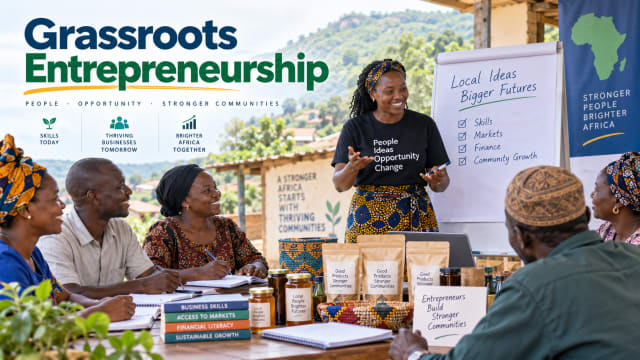
Grassroots Entrepreneurship
Training, business advice and mentorship that take a small enterprise from an idea to a trading business.
Explore this program →
Cookies this site needs to work are always on. With your agreement it will also measure how its pages are read, and load the maps and videos some pages carry. Read the cookie policy or the privacy notice.
Global Support Foundation

Global Support Foundation
Global Support Foundation

Global Support Foundation
The problem we work on

More than a third of young Africans between 15 and 40 are out of work, including school leavers, diploma holders and graduates — some of them unemployed for years. The barrier is rarely willingness. It is capital, land, equipment, skills and terms of trade that no individual starting out can secure.
The co-operative model addresses those constraints together. Members pool resources, share equipment none could buy alone, negotiate as a group, and govern themselves democratically. It has been used successfully in many countries to create durable employment — and it remains poorly understood across much of Africa as a development instrument.
Established in August 2015 and based in Port Harcourt, Rivers State, GSF exists to close that gap: training, business advice, consultancy and advocacy for the young people, women, people living with disabilities and retirees who are furthest from economic participation.
Who we work with
The people for whom a co-operative changes what is economically possible.
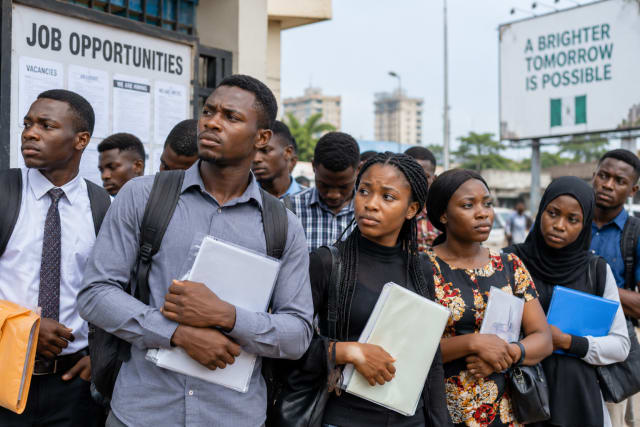
Above a third of African youths between the ages of 15 and 40 are unemployed. In this category are JSS and SSS leavers, ND and HND holders, and B.Sc. and Masters degree holders. Some have been unemployed for fifteen years.

A study in the UK found poverty among disabled people at 23.1 per cent against 17.9 per cent for non-disabled people — and once the extra costs of disability were counted, the rate rose to 47.4 per cent.

Ageism — the systematic stereotyping of people because they are old — is a real phenomenon in Nigerian society. It points to a serious situation: people can ill afford to retire in Africa from any form of government service.

Established businesses run by older owners often face challenges that lead to failure or poor performance. Many do not see the need for consultancy, cannot afford it, or are unaware that affordable support exists.
Why it matters
The foundation works at the grassroots — with communities a long way from the banks, the markets and the advisory services that make a business possible. A co-operative is how people in those places assemble what none of them could reach alone: equipment, working capital, buyers, and a legal structure that outlasts any one member.
That is the whole argument. Not charity, and not a grant that runs out — a structure that makes people's own work pay.
What we do
Connected areas of work, each one addressing a specific reason an enterprise fails to get off the ground.
Training, business advice and mentorship that take a small enterprise from an idea to a trading business.
Explore this program →
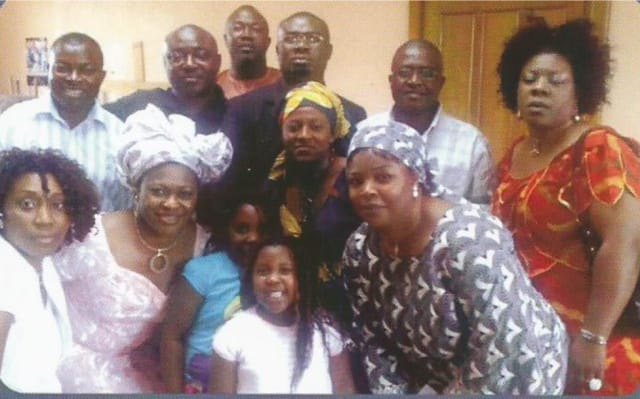
Forming, registering and governing co-operative enterprises so that members can achieve together what none could alone.
Explore this program →
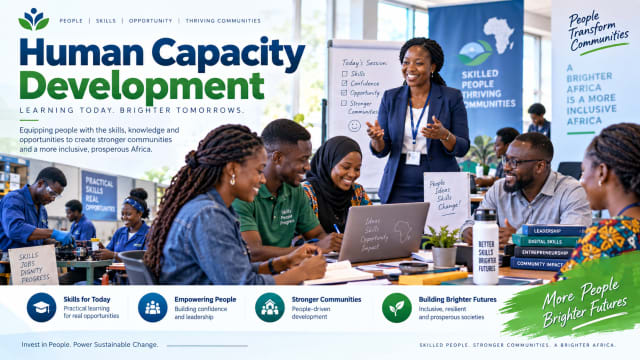
Skills, leadership and vocational training that give young people a foundation qualification and a route to self-employment.
Explore this program →
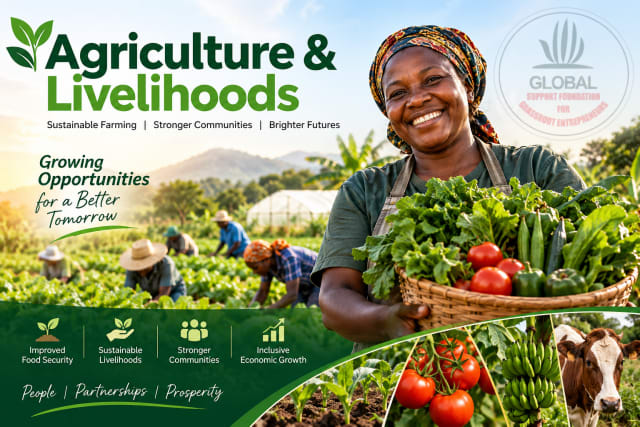
Making agricultural production a credible livelihood for young people through co-operative farming and agribusiness.
Explore this program →
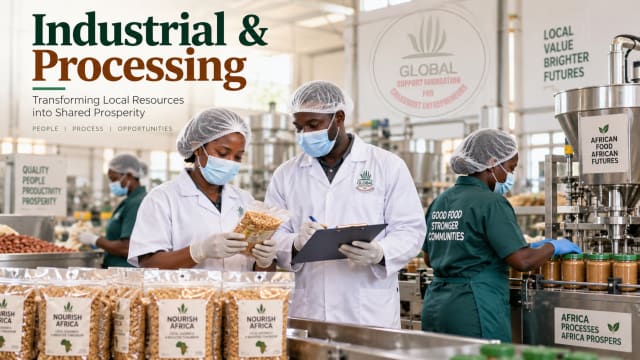
Manufacturing and processing co-operatives in furniture, textiles and leather goods, where shared plant makes production viable.
Explore this program →
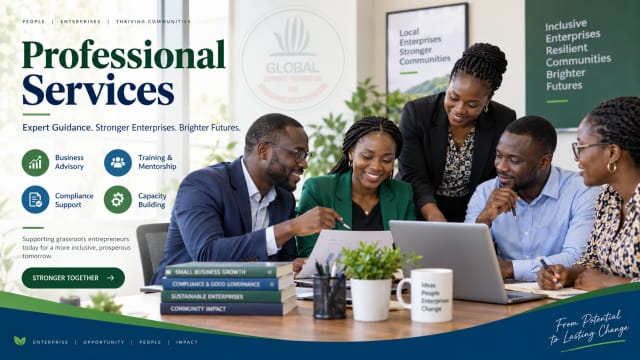
Practice co-operatives and professional networks for young graduates entering engineering, health, law and the other professions.
Explore this program →
On the ground
Taking a group of young people from an informal working arrangement to a registered co-operative that can trade, borrow and hold assets in i...
A foundation course in co-operative business management, with a practical placement, for school leavers and graduates entering self-employme...
Collective access to land, equipment and inputs for young farmers, and a route beyond raw production into processing.
Stories of impact
Story of impact
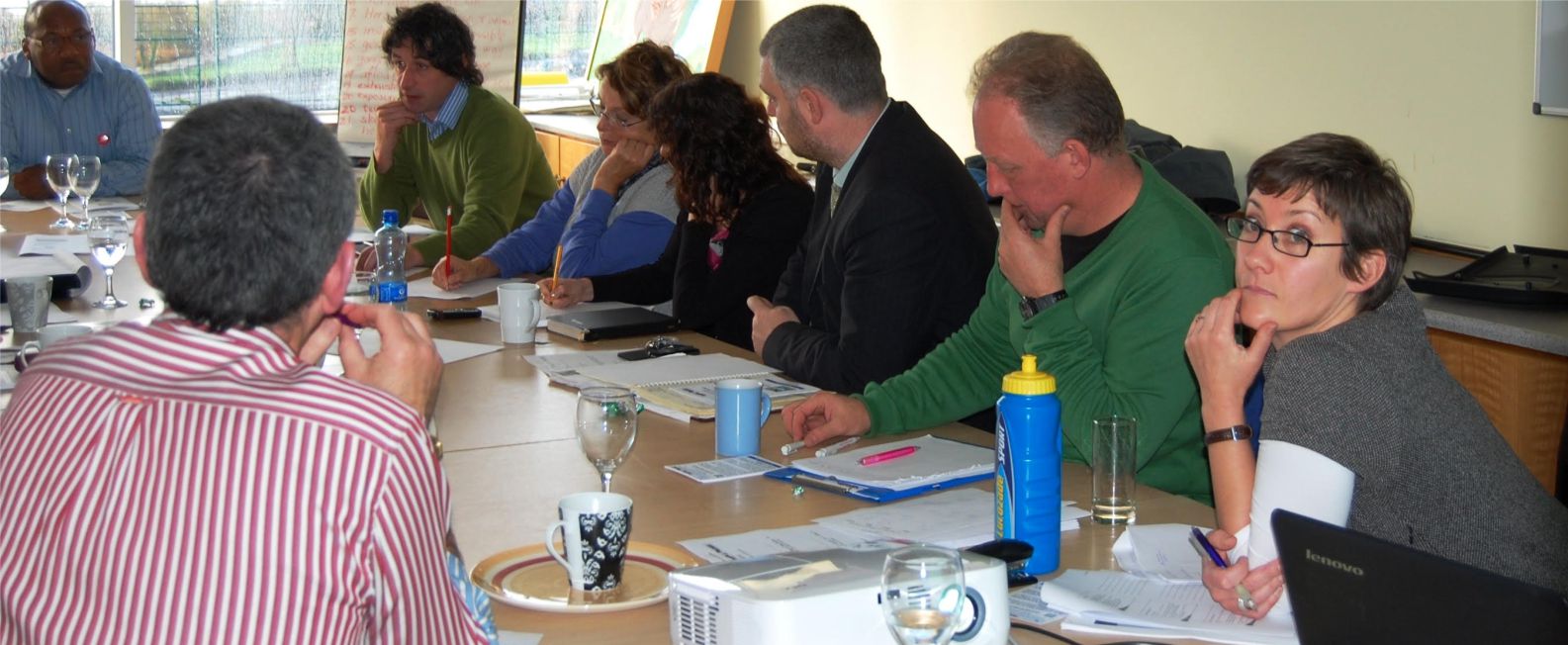
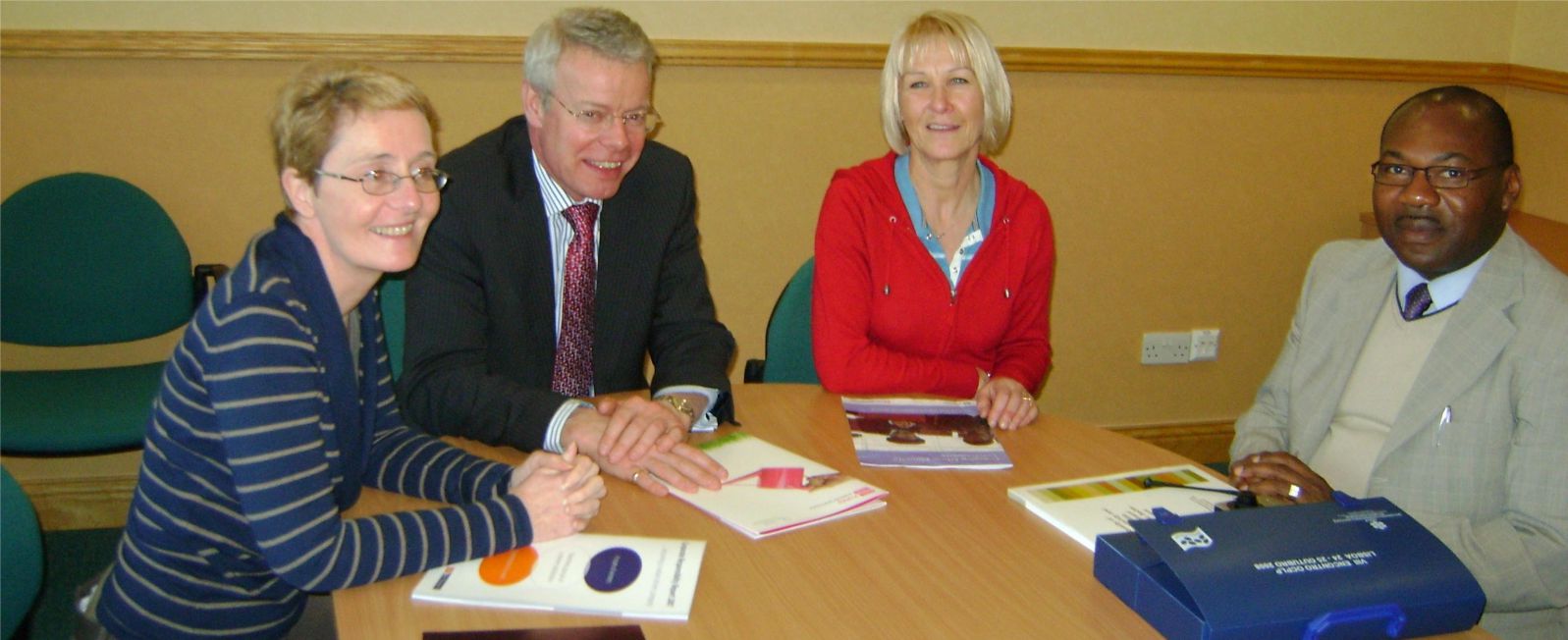
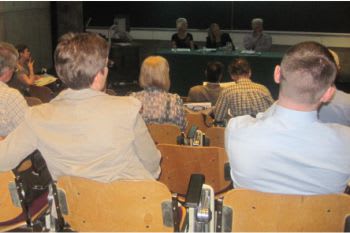
Dublin, December 2008. Media and entertainment professionals formed a co-operative to serve a market the mainstream industry was not reaching.
Story of impact
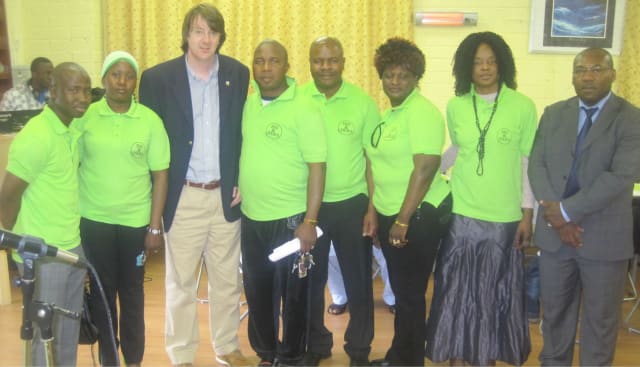
Galway, 2009. Eight members pooled competencies in event management, music and dance to run a recreational centre.
Support our work
Training, business advice and the practical work of getting a co-operative registered and trading all cost money. A donation funds that work directly.
Watch
YouTube content is blocked
Loading this would let YouTube set cookies in your browser, so it waits for your agreement.
Minister of State on agriculture
YouTube content is blocked
Loading this would let YouTube set cookies in your browser, so it waits for your agreement.
Cooperative Housing
YouTube content is blocked
Loading this would let YouTube set cookies in your browser, so it waits for your agreement.
Global Support Foundation
YouTube content is blocked
Loading this would let YouTube set cookies in your browser, so it waits for your agreement.
Giving $100 to Homeless People — Give Back Films
Latest
Co-operative basics
The principles are not a mission statement. Each one is a rule about how decisions get made and money gets shared, and each one has teeth.
Co-operative basics
Most applications stall on the same few things. Assembling them before you approach the registrar turns months into weeks.
Running an enterprise
One machine none of you could buy alone changes what work you are able to accept. It also creates arguments, unless you agree the rules first.